A vehicle's performance and functionality depend greatly on its auto parts, which are critical components. These parts span a variety from engine components to electrical systems, ensuring the vehicle operates effectively and safely. If you're considering quality replacements or enhancements, it's worth exploring aftermarket parts, as they tend to be more budget-friendly compared to OEM alternatives.
If you're in search of premium auto parts, there is an excellent resource to consider. You can find not only the necessary components but also a plethora of specialized parts that can improve your vehicle's performance their website.
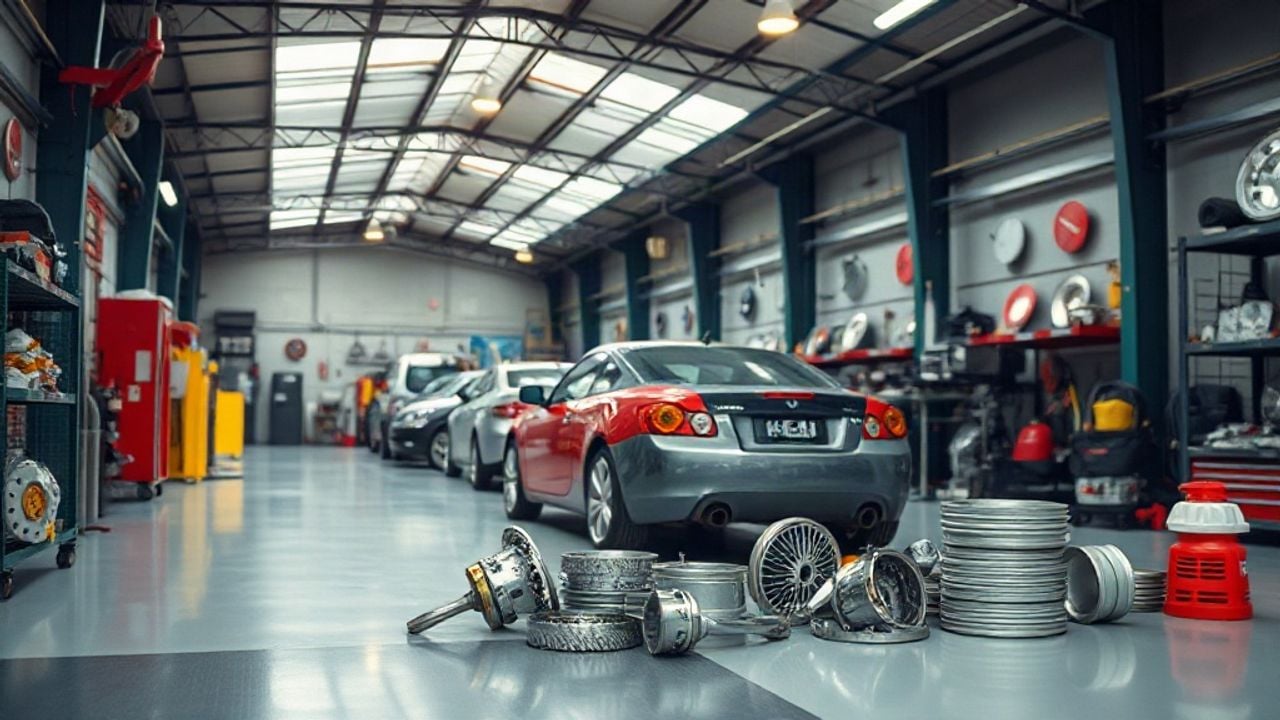 aftermarket partsauto parts near me
Understanding Different Types of Auto Parts
In the realm of automobiles, components are segmented into distinct categories, each serving essential roles in both safety and efficiency of vehicles. Original Equipment Manufacturer (OEM) parts are developed directly by the vehicle's manufacturer to align closely with the vehicle’s specific needs. These components often come with a heftier price tag due to the brand prestige and the assurance of quality.
On the flip side, aftermarket parts provide a viable and often cost-effective alternative, delivering similar performance without the high price. These parts can be sourced from a variety of manufacturers, allowing for a broader range of choices, including options that prioritize customization or enhanced capabilities. Car enthusiasts, in particular, gravitate towards aftermarket solutions such as advanced exhaust systems and improved suspension kits in their quest to upgrade their vehicles.
Choosing Between OEM and Aftermarket Parts
When navigating the selection of auto parts, it's crucial to consider warranty offerings, compatibility, and long-term functionality. OEM parts typically come with a warranty guaranteed by the manufacturer, which offers peace of mind about their quality and compatibility. On the other hand, although aftermarket parts might not always carry warranties, many well-regarded manufacturers produce parts that perform on an equal level or outperform OEM alternatives.
Hence, if cost savings and customization options are high on your list, then aftermarket parts may be the right path for you. Both local auto parts stores and online retailers stock a myriad of both OEM and aftermarket products, allowing consumers to find parts that fit their budget and quality requirements perfectly.
Where to Find Auto Parts Near You
Locating automotive parts in your vicinity can effectively reduce both your time and shipping expenses, making it easier to carry out urgent repairs or enhancements. Begin your search by entering phrases like "auto parts near me" or "auto parts store near me" into your favorite search engine. This approach will generally lead you to local retailers and garages that maintain a diverse inventory of parts.
Moreover, a growing number of parts shops now provide online catalogs, enabling you to explore their offerings from the comfort of your home. Some even offer options for contactless pickup, allowing you to place orders online and retrieve your items with minimal effort. Local auto parts vendors usually have experienced staff members on hand, ready to help you select the correct components necessary for your vehicle.
Considering Used Auto Parts: Benefits and Drawbacks
For vehicle owners who are trying to manage expenses, looking into used auto parts can be a practical solution. Used components frequently come at a lower price than brand-new ones, making them appealing for individuals aiming to reduce repair costs. Exploring local used auto parts retailers can result in fantastic deals, particularly for aging cars where original equipment manufacturer (OEM) parts might not be available anymore.
Despite the financial advantages, there are certain downsides to keep in mind. The primary issue revolves around the reliability and longevity of these used parts. It’s essential to verify that these items are in sound working order, as some may have a shorter life span. When purchasing used auto parts, be sure to ask about warranties or return policies to lessen the risks involved in your transaction. Many trustworthy vendors offer guarantees or an option to return, which can provide peace of mind when you are making these purchases.
Grasping the advantages and disadvantages of opting for used parts compared to new ones is crucial for making wise choices—what might appear as a budget-friendly option could potentially result in higher repair costs if these parts fail prematurely or do not function as expected.
automotive parts.Best Practices for Buying Auto Parts
Consider your vehicle's specifics when searching for parts. Compatibility is vital to ensuring a successful transaction.
- Check vehicle specifications: Revisit your vehicle’s manual to ensure part compatibility.
- Utilize online resources: Websites can offer reviews and comparisons for various parts and retailers.
- Ask for recommendations: Seek advice from friends or local mechanics who may know reliable automotive parts stores.
- Be cautious with prices that seem too low: Extremely cheap parts may produce poor performance or durability.
- Stay informed on recalls: Ensure that parts you want to buy have not been recalled by manufacturers due to safety concerns.
How to Purchase Auto Parts Successfully
- Identify the required part: Begin by researching the specific part you need. Check your vehicle's manual for details on specifications and compatibility.
- Set a budget: Determine how much you are willing to spend on the part. This will help narrow down your choices between new, aftermarket, or used options.
- Search for options: Use online platforms or local directories to find nearby auto parts stores. Take note of reviews and ratings for different automotive parts retailers.
- Compare prices: Look at different retailers' prices for the same part. Don't forget to factor in shipping costs if ordering online.
- Check for warranty: When purchasing the part, whether new or used, confirm if there is a warranty offered. This can provide assurance on quality and allow returns if the part doesn't fit or function as expected.
- Install or seek help for installation: Decide whether you will install the part yourself or if you will hire a mechanic. Ensure that the person performing the installation is knowledgeable about your vehicle type and the specific part.
Frequently asked questions
What is auto parts?
Auto parts consists of the various elements that constitute a vehicle. This category includes a diverse array of components, ranging from essential mechanical features like transmissions and wheels to aesthetic and functional parts such as interior consoles and heating systems.
How do I choose an auto parts provider?
When you’re looking to choose an auto parts supplier, it’s important to evaluate their credibility, past customer experiences, and the variety of parts available. Confirm whether they stand by their products with guarantees and if their team possesses the necessary knowledge to help you.
How much do auto parts cost?
The pricing of auto parts can greatly differ depending on various factors such as the specific type, brand affiliation, and whether they are new or pre-owned. Aftermarket components typically offer a lower price point compared to OEM parts, while pre-owned options can be the most economical choice.
Essential for the functioning and upkeep of any vehicle, auto parts play a crucial role. Being aware of the various types on the market and knowing where to locate them can greatly improve your automotive journey.
By following the proper guidelines for acquiring quality parts, including evaluating choices and confirming compatibility, you can significantly boost your vehicle's efficiency and lifespan.